
Noticed a small, soft growth of skin near your neck, underarms, or eyelids that seems to have appeared overnight? You are not alone – skin tags are one of the most common, harmless skin concerns we see at our Kothrud clinic, especially among adults in India. The good news is that removing them is quick, safe, and far more affordable than most people expect.
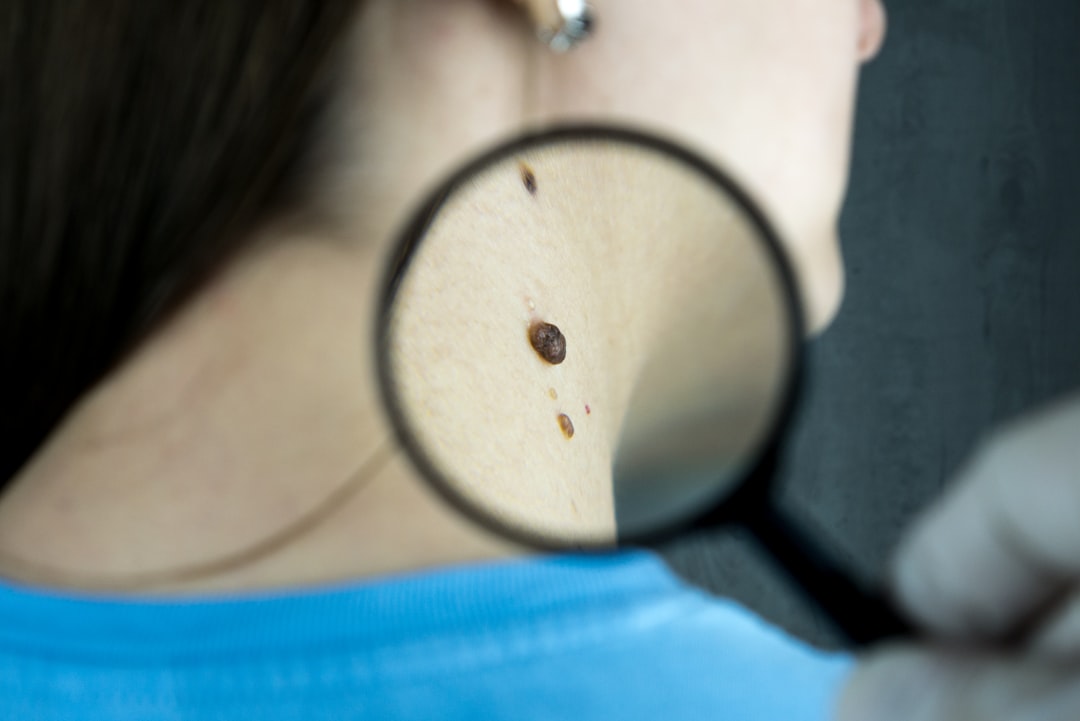
Photo by Bermix Studio on Unsplash
What Exactly Are Skin Tags?
Skin tags, medically known as acrochordons, are small, soft, flesh-coloured growths that hang off the skin by a thin stalk. They usually show up in areas where skin rubs against skin or clothing – the neck, underarms, eyelids, groin folds, and under the breasts are common spots.
They tend to become more common with age, during pregnancy, in people who are overweight, and in those with diabetes or a family history of skin tags. Friction, hormonal changes, and insulin resistance are all thought to play a role in why they form.
Skin tags are not dangerous and do not turn into skin cancer. Most people choose to have them removed for cosmetic reasons or because they catch on jewellery, clothing, or razors and become irritated.
Treatment Options for Skin Tag Removal
There are several safe, in-clinic methods to remove skin tags, and the right one depends on the size, number, and location of the tags.
Cryotherapy freezes the tag off using liquid nitrogen and works well for smaller tags. Radiofrequency (RF) cautery uses gentle heat energy to remove the tag with minimal bleeding and is a popular choice for tags on the face or eyelids. Simple surgical snipping, done under local anaesthesia, is often used for larger tags or when several need to be removed in one sitting. Electrocauterisation is another option that seals the area as it removes the tag, reducing bleeding.
Please avoid home remedies like tying a thread around the tag or using over-the-counter creams – these can cause infection, scarring, or bleeding without fully removing the growth. A dermatologist can assess your skin tags and recommend the safest, most effective method for you.
Skin Tag Removal Cost: What to Expect
One of the first questions patients ask is about cost, and it is a fair one – pricing for skin tag removal in India varies based on the method used, the number of tags, their size and location, and the clinic’s expertise.
Generally, cryotherapy and RF cautery are priced per session or per tag, and treating a cluster of small tags in one visit is usually more economical than spacing them out over multiple visits. Tags on delicate areas like the eyelids may cost slightly more due to the precision required. Most patients need just a single short session, with little to no downtime afterward.
Rather than going by a fixed number you may have seen online, it’s best to get a personalised quote after an in-person evaluation, since the final cost depends on your specific case. Many clinics, including ours, offer a consultation where this can be discussed transparently before any procedure begins.
Aftercare and Recovery Tips
Recovery after skin tag removal is usually quick and simple. The treated area may look slightly red or scabbed for a few days – this is normal and part of healing.
Keep the area clean and dry, avoid picking at any scab that forms, and apply a mild antiseptic ointment if your dermatologist recommends one. It’s also wise to protect the area from direct sun exposure and avoid tight clothing or jewellery that could rub against it while it heals.
Most people can resume normal activities immediately, with full healing typically taking one to two weeks depending on the removal method used.
When to See a Dermatologist
- If a growth changes colour, size, or shape rapidly, or bleeds without injury
- If you have several skin tags and want them removed safely in one sitting rather than trying risky home remedies
- If a tag is in a sensitive area like the eyelid, groin, or under the breast and causing irritation
Skin tags are common, harmless, and easy to treat with the right in-clinic approach – there’s no need to live with the irritation or reach for risky home remedies. Book a consultation today!
This article is for informational purposes only and does not constitute medical advice. Please consult a qualified dermatologist for diagnosis and treatment.