
Noticing a receding hairline or a thinning crown can feel unsettling, especially with weddings, festivals, and family photos never too far away on the calendar. Hair transplant surgery has become one of the most talked-about solutions in India, but between clinic advertisements promising instant results and confusing price ranges online, it is hard to know what is fact and what is marketing. Here is a clear, honest look at what a hair transplant actually involves, what really drives the cost, and what recovery looks like in real life.
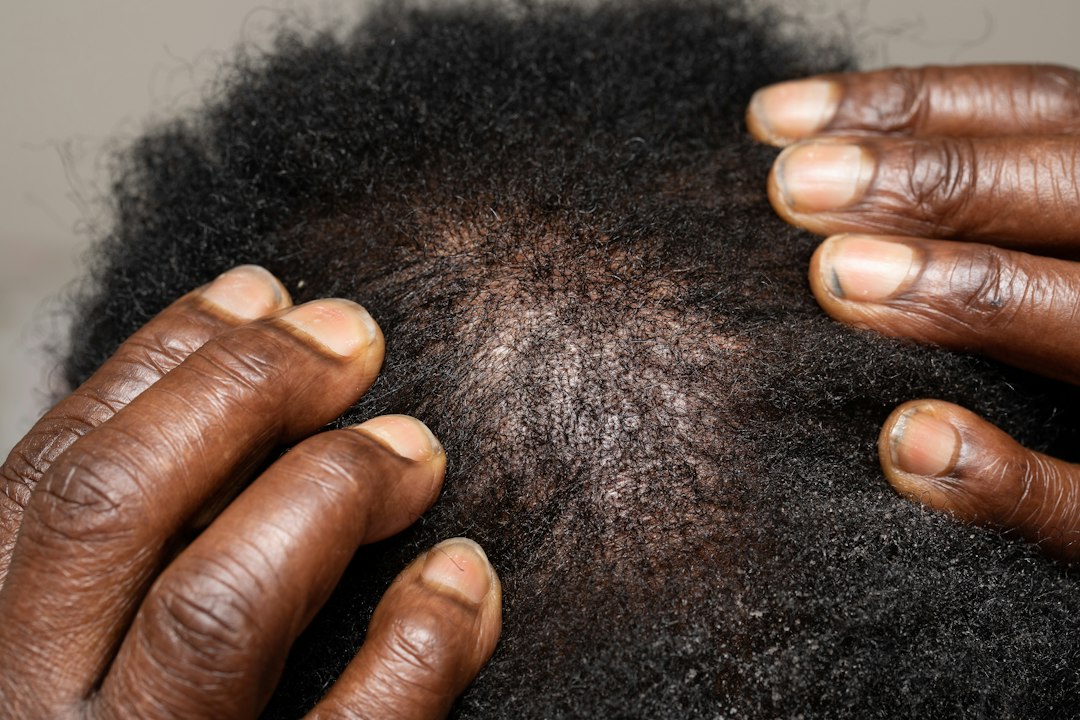
Photo by Patient Perfect on Unsplash
How a Hair Transplant Actually Works
Most clinics today use FUE, or Follicular Unit Extraction, where individual hair follicles are removed one at a time from a denser donor area, usually the back of the scalp, and placed into thinning areas. It is minimally invasive and does not leave a visible linear scar, which is why it has become the preferred choice for most patients.
The older FUT, or strip method, is still used in select cases. It involves removing a thin strip of scalp and can sometimes cover larger areas more efficiently, though it leaves a fine linear scar that is usually hidden by surrounding hair.
Not everyone is an ideal candidate. Suitability depends on donor hair density, the extent and pattern of hair loss, and overall scalp health. A proper consultation and scalp examination matter far more than any “package” advertised online.
What Really Affects the Cost
The single biggest driver of hair transplant cost is the number of grafts needed, since most Indian clinics price the procedure per graft. This is why the same question can have very different answers depending on how much of the scalp needs coverage.
The technique chosen also matters, as FUE typically costs more per graft than FUT, along with the surgeon’s experience, the technology used, and whether the clinic has a dedicated surgical team rather than a single operator handling everything.
Aftercare included in the package, the clinic’s location, and whether a second sitting is needed for extra density all add to the final bill. Be cautious of unusually low quotes, as corners are often cut in graft handling, sterilisation, or aftercare when prices seem too good to be true.
Recovery Timeline: What to Expect
In the first week, mild swelling and small scabs at both the donor and recipient sites are normal. Most people return to desk-based work within three to five days, though gym sessions, swimming, and direct sun exposure should be avoided for a couple of weeks.
Between two and four weeks, the transplanted hair often sheds. This is commonly called “shock loss” and can feel alarming, but it is a normal and expected part of the process, not a sign that the transplant has failed.
From around three to four months onward, new growth gradually begins to appear, with visible density continuing to improve over eight to twelve months as the follicles mature.
Common Myths and Mistakes to Avoid
One common myth is that results are visible immediately after the procedure. In reality, it takes close to a year to see the full outcome, so patience matters as much as the surgery itself.
Another misconception is that a transplant is a one-time fix for all future hair loss. Existing, non-transplanted hair can continue to thin over time, so many patients benefit from pairing the procedure with ongoing medical management such as minoxidil or PRP therapy.
Choosing a clinic purely on price is a common mistake. It helps to ask about the surgeon’s hands-on experience, review before-and-after photos of patients with a similar hair loss pattern, and understand the clinic’s hygiene and safety protocols before committing.
When to See a Dermatologist
- If you are losing hair rapidly, in patches, or noticing scalp itching, redness, or flaking, since this could point to an underlying medical condition rather than typical pattern baldness
- If you are considering a transplant but have not yet had a proper scalp and donor-area assessment from a qualified specialist
- If you have already had a transplant and notice unusual pain, signs of infection, or poor healing at the treated sites
A hair transplant can be a genuinely life-changing decision when it is done right, but only after a proper assessment of your scalp, hair loss pattern, and goals. Skip the guesswork and get an expert opinion before choosing a clinic. Book a consultation today!
This article is for informational purposes only and does not constitute medical advice. Please consult a qualified dermatologist for diagnosis and treatment.