
Noticed a small, painless lump under your skin that just won’t go away? It could be a sebaceous cyst — a common, usually harmless bump that many people in India live with for years without knowing what it is or what to do about it. This guide breaks down what these cysts are, when treatment makes sense, what removal typically costs, and how recovery works.
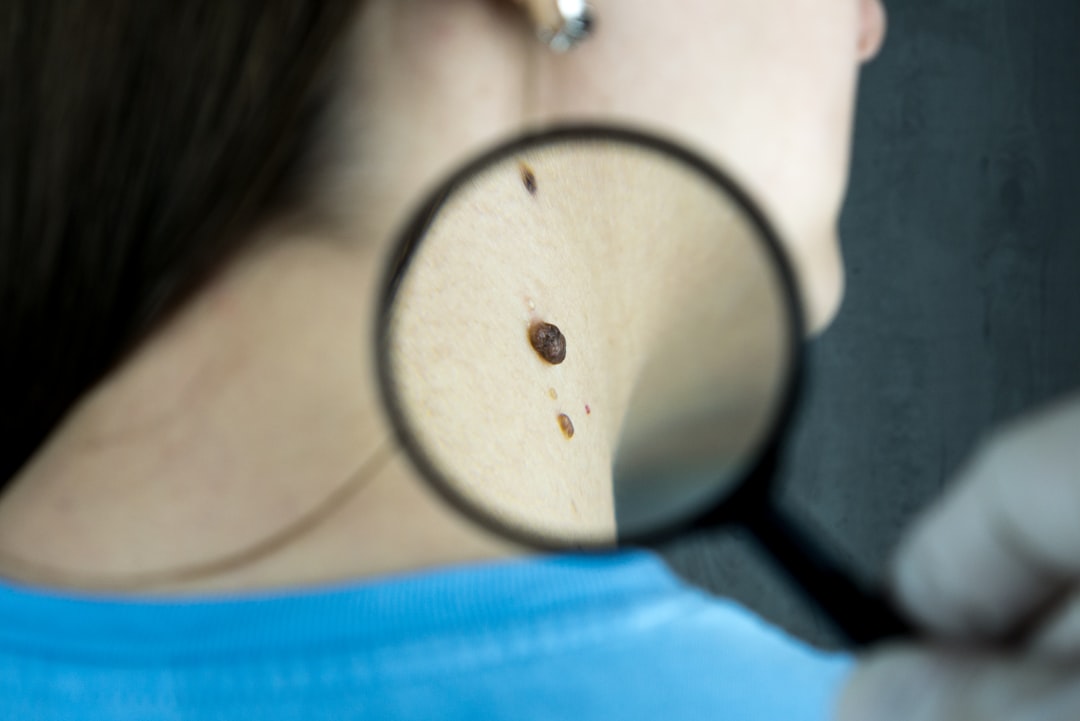
Photo by Bermix Studio on Unsplash
What Exactly Is a Sebaceous Cyst?
A sebaceous cyst is a small, slow-growing sac that forms just under the skin, usually on the scalp, face, neck, back, or behind the ears. It happens when a hair follicle or oil gland gets blocked, causing a build-up of the skin’s natural oils. Most cysts are round, movable, and painless — though they can occasionally become red, swollen, or tender if infected.
They’re extremely common and not linked to poor hygiene, no matter what people assume. Genetics, skin injury, and acne-prone skin can all play a role in who develops them. Many people carry one for months or even years before deciding to have it looked at.
A quick word of caution: not every lump is a sebaceous cyst. Lipomas, boils, and other skin growths can look similar to the untrained eye, and treating them all the same way isn’t a good idea. This is exactly why a proper diagnosis matters before you decide on a treatment plan, rather than guessing based on what you’ve read online.
Treatment Options and What They Cost
Not every cyst needs to be removed. If it’s small, painless, and not growing, your dermatologist may simply suggest monitoring it. But if it’s bothering you cosmetically, growing steadily, or getting repeatedly infected, in-clinic removal is usually the most effective long-term solution.
The most common approach is a minor surgical excision done under local anaesthesia, where the entire cyst sac is removed to prevent it from coming back. In India, this typically costs anywhere between ₹2,000 and ₹10,000, depending on the size and location of the cyst, whether it’s infected, and the clinic you choose. Cysts on the face or scalp, or larger ones, tend to cost more due to the extra care needed for a clean, scar-minimising closure.
If the cyst is infected at the time of your visit, your dermatologist may first drain it and treat the infection with antibiotics, then schedule the full excision once the swelling settles. Trying to pop or squeeze a cyst at home almost always leads to infection or scarring, so it’s best avoided entirely.
What Happens During the Procedure
A typical in-clinic removal takes about 20 to 40 minutes. The area is numbed with a local anaesthetic, a small incision is made, and the cyst along with its sac wall is carefully removed to reduce the chance of recurrence. The cut is then closed with a few stitches or surgical glue, depending on the size and location.
Most people feel little to no pain during the procedure itself, and you can typically go home the same day. Some mild swelling or tenderness for a day or two afterward is normal and manageable with basic care.
Recovery and Aftercare Tips
Healing is usually quick and straightforward. Keep the area clean and dry for the first 24 to 48 hours, follow your dermatologist’s instructions on dressing changes, and avoid picking at the wound or scab. Stitches, if used, are usually removed within 7 to 10 days.
Avoid strenuous exercise, swimming, or direct sun exposure on the area until it has fully healed. A visible scar is possible but usually fades significantly over a few months, especially with proper wound care. If your dermatologist prescribes a scar-care cream or ointment, use it consistently for best results.
When to See a Dermatologist
- The cyst becomes red, painful, warm, or starts leaking fluid — this could mean infection.
- It grows quickly, changes shape, or starts bleeding without any injury.
- You’ve tried to manage it at home and it keeps coming back or bothering you cosmetically.
Take the Guesswork Out of It
Sebaceous cysts are common and very treatable, but self-diagnosis and DIY removal can lead to unnecessary pain, infection, or scarring. A quick consultation can tell you exactly what you’re dealing with and the safest way to deal with it. Book a consultation today!
This article is for informational purposes only and does not constitute medical advice. Please consult a qualified dermatologist for diagnosis and treatment.