
If you’ve noticed dull patches, stubborn acne marks or an uneven skin tone that refuses to fade despite your regular skincare routine, you’re not alone — pollution, sun exposure and Pune’s shifting weather take a real toll on Indian skin. Chemical peeling is one of the most talked-about in-clinic treatments for this, but most people have only a vague idea of what it actually involves or what it costs. Here’s a simple, honest guide to help you decide if it’s right for you.
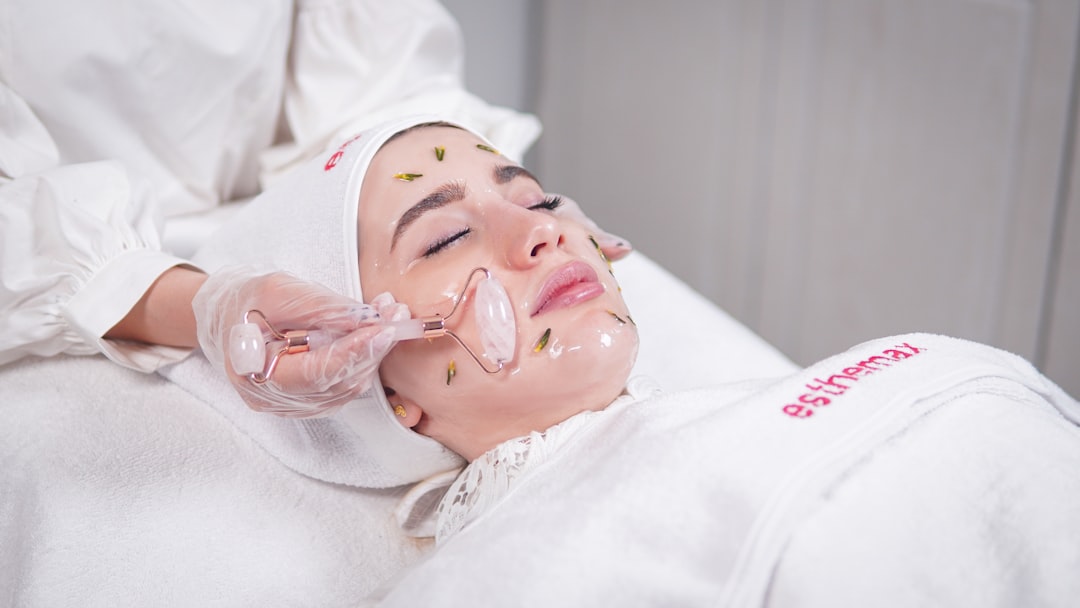
Photo by Soheil Kmp on Unsplash
What Is a Chemical Peel and How Does It Work?
A chemical peel uses a mild, controlled solution applied to the skin to gently remove the outermost damaged layer. As this layer sheds over the following days, fresher, more even-toned skin comes through. It’s commonly used for acne marks, dullness, fine lines, mild pigmentation and rough texture.
Peels are usually graded as superficial, medium or deep, based on how far they work into the skin. Superficial peels need little to no downtime and are popular for regular skin maintenance, while medium peels address deeper concerns but need more care afterwards. A dermatologist will choose the right depth and ingredient based on your skin type and concern — this is not a one-size-fits-all treatment, and home peel kits are not the same as a clinically supervised session.
Chemical Peeling Cost in India: What Affects the Price
One of the first questions most people ask is about cost, and understandably so — peels are usually done as a course of multiple sessions rather than a single visit. In India, pricing typically depends on the type of peel used, the area being treated, the number of sessions recommended, and the clinic’s location and expertise.
A single superficial peel session is generally more affordable than a medium-depth peel, and clinics often offer package pricing for a course of 4–6 sessions, which tends to work out cheaper per session than paying individually. Rather than going by a number you saw online, it’s best to get a personalised quote after an in-person skin assessment, since two people with different concerns may need very different treatment plans.
What to Expect Before, During and After Your Peel
Before your first session, your dermatologist will usually examine your skin, ask about your medical history and may recommend a short prep routine to make your skin ready for the peel. During the procedure itself, most people feel a mild tingling or warm sensation for a few minutes — it’s generally quick and doesn’t require anaesthesia.
Afterwards, some redness, tightness or light flaking is normal and usually settles within a few days, depending on the peel’s strength. Sun protection becomes non-negotiable during this period, as freshly treated skin is more sensitive to UV damage. Most clinics also advise skipping harsh scrubs, waxing or other active treatments for a week or two after your session.
Common Myths and Mistakes to Avoid
A common myth is that peeling “burns off” skin or that visible peeling is required for results — in reality, many effective peels cause only mild flaking that’s barely noticeable. Another mistake is trying strong peel formulations bought online without professional guidance, which can lead to irritation, burns or pigmentation instead of improving it.
Skipping sunscreen after a peel is another frequent error that undoes much of the benefit. And because results build up gradually, judging a peel after just one session — instead of completing the recommended course — often leads to disappointment that isn’t really about the treatment failing.
When to See a Dermatologist
- You’ve tried over-the-counter products for pigmentation, acne marks or dullness without real improvement
- You’re considering a peel but have sensitive skin, active acne, eczema or are pregnant or breastfeeding
- You’ve had a reaction, unusual redness or dark patches after a peel done elsewhere
Chemical peeling can be a safe, effective way to refresh your skin when it’s done by a qualified professional who tailors the treatment to your needs. If you’re curious whether it’s the right option for you, the best next step is a proper skin consultation rather than guesswork. Book a consultation today!
This article is for informational purposes only and does not constitute medical advice. Please consult a qualified dermatologist for diagnosis and treatment.