
A scar from an old injury, surgery, chickenpox or acne can stay with you for years and quietly dent your confidence. The good news is that today’s dermatology offers several ways to make scars less noticeable. Here is a simple guide to the options, what usually decides the cost, and what to expect along the way.
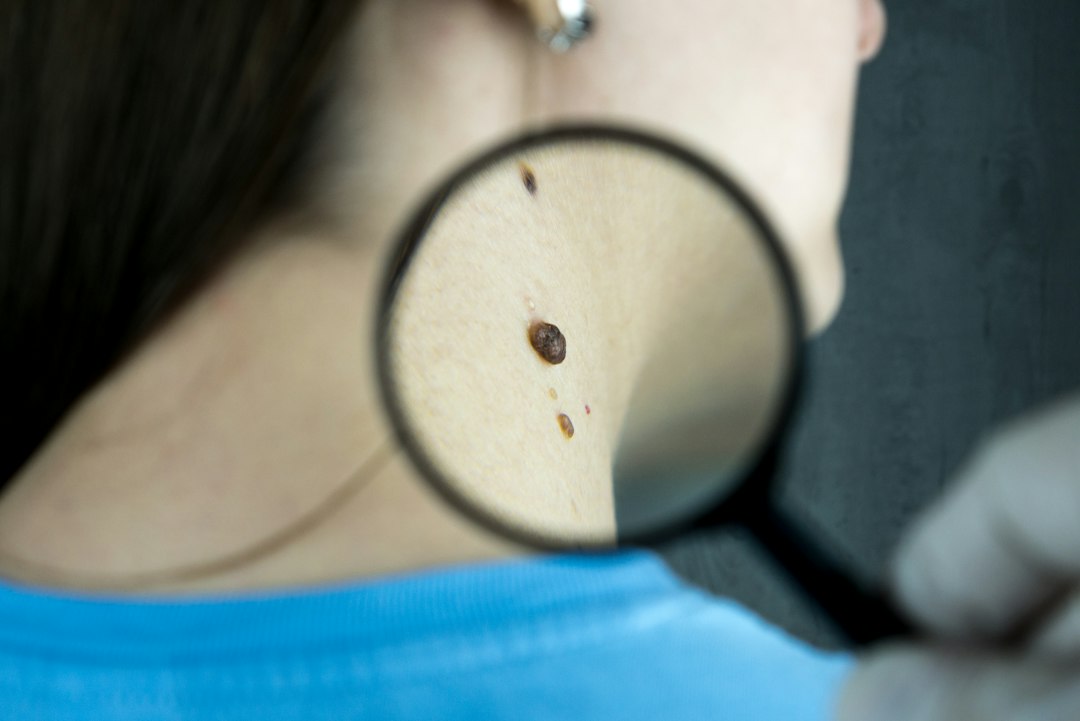
Photo by Bermix Studio on Unsplash
Why Do Scars Form and Why Do They Look Different?
A scar is simply your skin’s way of repairing itself after damage. Depending on the depth of the injury, your age, your skin type and how the wound was cared for, the scar can turn out flat, raised, sunken or darker than the surrounding skin.
Common types include sunken scars (often after acne or chickenpox), raised scars such as keloids and hypertrophic scars, and flat marks that are mainly a colour change. Indian skin tends to develop darker marks and raised scars more easily, which is why choosing the right approach matters.
Knowing your scar type is the first step, because a treatment that suits a sunken scar may not suit a raised one.
Scar Treatment Options a Dermatologist May Suggest
There is no single treatment that fits every scar. A dermatologist usually looks at the scar type, its age and your skin before suggesting a plan.
Some common options include chemical peels for surface marks and uneven tone, microneedling or RF microneedling to help the skin rebuild itself, laser treatments for texture and colour, and silicone gels or sheets and injections for raised scars. Minor procedures like subcision may be used for tethered, sunken scars.
Most scars need a series of sessions spaced a few weeks apart, and results build up gradually. Improvement varies from person to person, and a scar may become less visible rather than disappear completely.
What Decides the Cost of Scar Treatment?
Many people want a price before they book, and that is fair. Since every scar is different, a dermatologist can give a realistic estimate only after seeing your skin in person.
Factors that usually affect the cost include the size, depth and age of the scar, the type of treatment chosen, how many sessions are needed, the technology used, and the clinic’s experience. Treatments like peels are generally lighter on the pocket, while laser and combination plans cost more.
Be cautious about very cheap packages or promises of guaranteed results. A good clinic will explain the plan, the number of sessions and the likely downtime upfront.
Caring for Your Skin During and After Treatment
What you do at home makes a real difference. Protect treated skin from the sun with a broad-spectrum sunscreen every day, since sun exposure can darken scars, especially on Indian skin.
Keep the area moisturised, avoid picking or scratching, and skip home remedies like lemon juice or harsh scrubs, which can irritate the skin and worsen marks. Follow your dermatologist’s aftercare advice and attend follow-up visits.
Treating new wounds and pimples early, and keeping them clean, also helps prevent fresh scars from forming.
When to See a Dermatologist
- A scar that is growing, raised, itchy or painful, which may be a keloid.
- Scars that are causing darkening, tightness or affecting movement.
- Old scars you want to improve, or acne that keeps leaving new marks.
Conclusion
Scars do not have to be something you simply live with. With the right assessment and a patient, step-by-step plan, many scars can look noticeably better. Book a consultation today!
This article is for informational purposes only and does not constitute medical advice. Please consult a qualified dermatologist for diagnosis and treatment.