
Those stubborn bumps on your shoulders can make you think twice before wearing a sleeveless top or a backless blouse. In India’s heat, humidity and sweaty commutes, shoulder acne is far more common than most people admit. The good news is that with the right routine, most cases can be managed well.
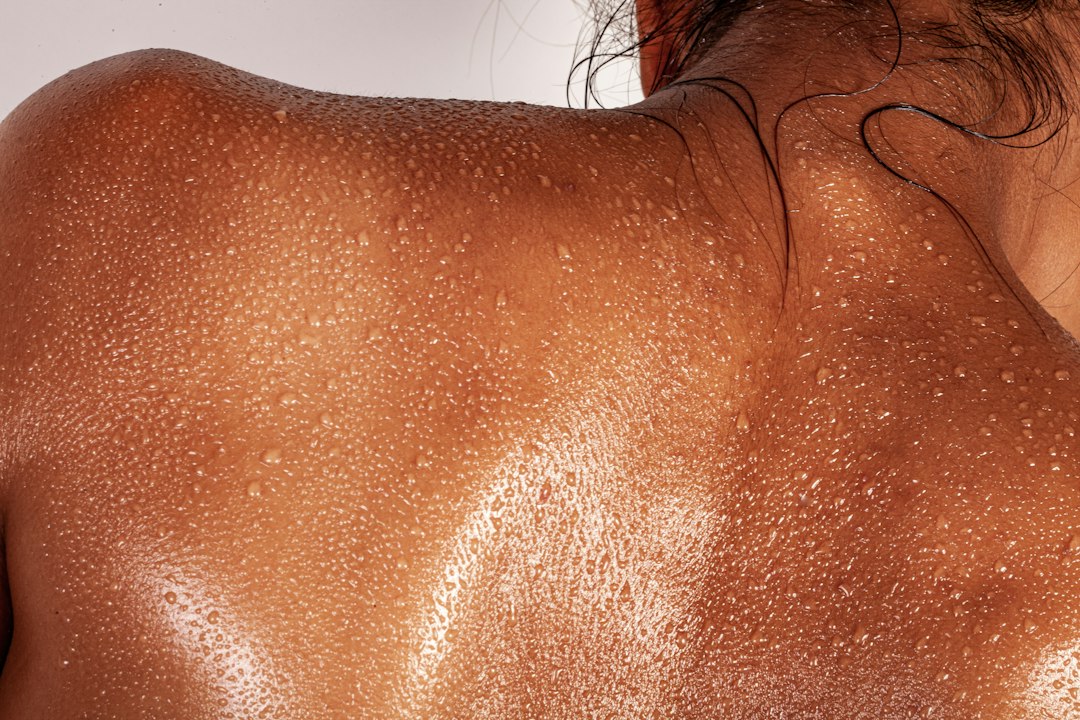
Photo by Wilhelm Gunkel on Unsplash
Why Does Acne Appear on the Shoulders?
The skin on your shoulders and upper back has many oil glands, just like your face. When sweat, oil and dead skin cells block the pores, pimples can form. Heat and humidity make this worse, especially during long hours in tight or synthetic clothing.
Other common triggers include backpacks and bag straps that rub the skin, leaving sweaty clothes on after a workout, heavy body lotions or hair oils that run down the back, and hormonal changes. Sometimes what looks like acne is actually folliculitis, an irritation of hair follicles, which is why a proper diagnosis helps.
Stress, irregular sleep and a diet very high in sugary or oily foods may also play a role for some people, though the effect differs from one person to another. Noticing your own pattern, for example when breakouts get worse, can give useful clues.
Everyday Habits That Help
Shower soon after sweating or exercising, and don’t let damp clothes stay on your skin. A gentle body wash that suits your skin type works better than harsh scrubbing, which can irritate the skin and make breakouts look worse.
Choose loose, breathable cotton clothing when you can, and wash towels, bedsheets and gym wear regularly. If you have long hair, rinse shampoo and conditioner off thoroughly and keep hair tied up off your back when you sweat. Use a light, non-greasy moisturiser and sunscreen labelled “non-comedogenic”.
If you carry a heavy backpack or sling bag every day, try to line the straps with a clean cotton cloth and wash it often. Friction and trapped sweat under the strap is one of the most overlooked reasons for stubborn shoulder breakouts in students and office-goers.
Over-the-Counter Care: What to Do and Avoid
Ingredients like salicylic acid or benzoyl peroxide are often used in body washes and lotions for back and shoulder breakouts. Start slowly, a few times a week, to see how your skin responds, as these can cause dryness or irritation in some people.
Please avoid picking or squeezing pimples. This can cause infection, dark marks and scarring that take much longer to fade than the pimple itself. Skip home remedies like toothpaste, lemon juice or baking soda, which can burn or darken the skin.
Also avoid switching products every few days. Give one simple routine at least four to six weeks before deciding whether it suits you, unless your skin becomes red, itchy or sore.
Professional Treatment Options
If regular care doesn’t help after a couple of months, or your acne is painful, deep or leaving marks, a dermatologist can suggest a plan suited to you. Depending on your skin, options may include prescription creams, oral medicines or in-clinic treatments such as chemical peels. The right choice, and the overall cost, depends on how widespread the acne is and how your skin responds, so it is best decided after a consultation.
Results vary from person to person, and consistency matters. Most treatments need several weeks before you see a real difference, so a little patience goes a long way. Early treatment also helps lower the chance of dark marks and scars later.
When to See a Dermatologist
- Your shoulder acne is painful, deep, or keeps coming back despite good hygiene and basic care.
- You notice dark marks, scarring, or pus-filled lumps that are spreading.
- Over-the-counter products are causing burning, peeling or worsening redness.
Shoulder acne is common, manageable, and nothing to feel embarrassed about. A simple routine, a few lifestyle tweaks and the right professional guidance can help your skin feel clearer and more comfortable. Book a consultation today!
Disclaimer: This article is for informational purposes only and does not constitute medical advice. Please consult a qualified dermatologist for diagnosis and treatment.