
If dark spots, tan, or stubborn patches of uneven skin tone have started bothering you more than they used to, you’re not alone — pigmentation is one of the most common skin concerns we see at our Kothrud clinic, especially given Pune’s sun and pollution. Many people ask us about Q-Switch laser treatment, but the real questions are usually about cost and how soon results actually show. Here’s a simple, honest guide to help you decide if it’s right for you.
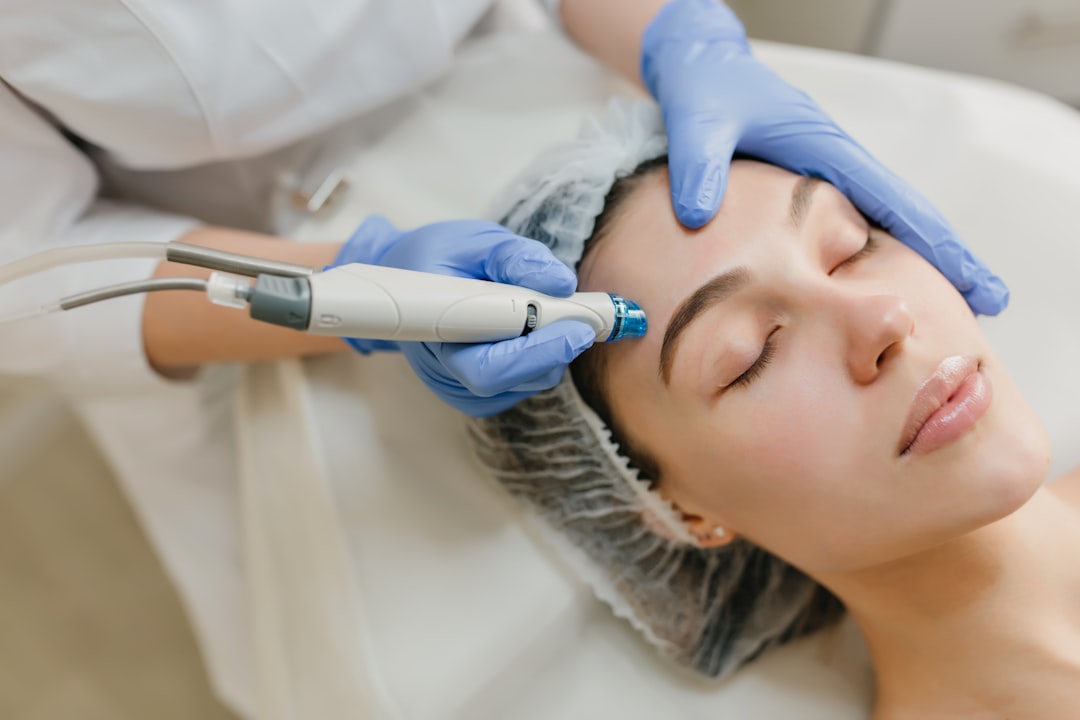
Photo by Look Studio on Unsplash
What Is Q-Switch Laser Treatment?
Q-Switch laser is a non-surgical treatment that uses short, high-energy pulses of light to break down excess pigment in the skin. It’s commonly used for dark spots, sun tan, melasma, and certain types of scarring where the skin tone looks uneven.
The procedure itself is quick, usually done in-clinic without the need for surgery, and most people can return to their daily routine the same day, though your skin may look slightly pink or warm for a short while afterward.
How Much Does Q-Switch Laser Cost in India?
Costs for Q-Switch laser sessions in Pune typically vary quite a bit, since pricing depends on several factors rather than a single fixed rate.
The main things that affect cost are the size of the area being treated, how many sessions your skin needs, the specific laser technology used by the clinic, and the severity or type of pigmentation you’re dealing with. A small patch of dark spots will usually cost less to treat than widespread melasma covering larger areas of the face.
Do ask for a personalised quote during your consultation rather than relying on a price you’ve seen online or heard from a friend — everyone’s skin and pigmentation pattern is different. Don’t choose a clinic purely because it offers the lowest price; check that the treatment is being done by a qualified dermatologist with the right equipment.
What Results Timeline Can You Expect?
Q-Switch laser results build up gradually rather than appearing overnight. Most people need a series of sessions spaced a few weeks apart, and visible lightening tends to happen slowly, session by session.
Full results are usually seen over a couple of months, and how well it works can depend on your skin type, how deep the pigmentation is, and how consistently you follow aftercare advice. It’s worth being patient and avoiding the urge to judge results too early after just one sitting.
Aftercare Tips: What to Do and Avoid
Good aftercare matters just as much as the treatment itself. Do apply sunscreen every single day, even when you’re indoors, since new skin is more sensitive to sun exposure right after a session. Do keep your skincare routine gentle and simple in the days following treatment.
Avoid stepping out in strong sun without SPF immediately after a session, and avoid harsh scrubs, exfoliants, or picking at the treated skin, as this can undo progress or trigger fresh pigmentation. Skipping follow-up sessions can also mean the results don’t last as long as they should.
When to See a Dermatologist
- If your pigmentation is spreading, changing shape, or changing colour
- If over-the-counter creams or home remedies haven’t helped after several weeks
- Before starting any laser treatment, so a dermatologist can properly assess your skin type and pigmentation cause
Pigmentation can have many different causes, and the right treatment really depends on getting an accurate diagnosis first. Our team at Derma Solutions, Kothrud, can help you understand what’s really going on with your skin and suggest a plan that suits you. Book a consultation today!
This article is for informational purposes only and does not constitute medical advice. Please consult a qualified dermatologist for diagnosis and treatment.