
If you have been scrolling skincare reels lately, chances are you have seen someone getting lifted with HIFU or glowing after RF microneedling. Both promise firmer, younger looking skin without surgery, but they work in very different ways and suit different concerns. If you are trying to decide between the two, here is a simple, no-jargon comparison to help you choose what is right for you.
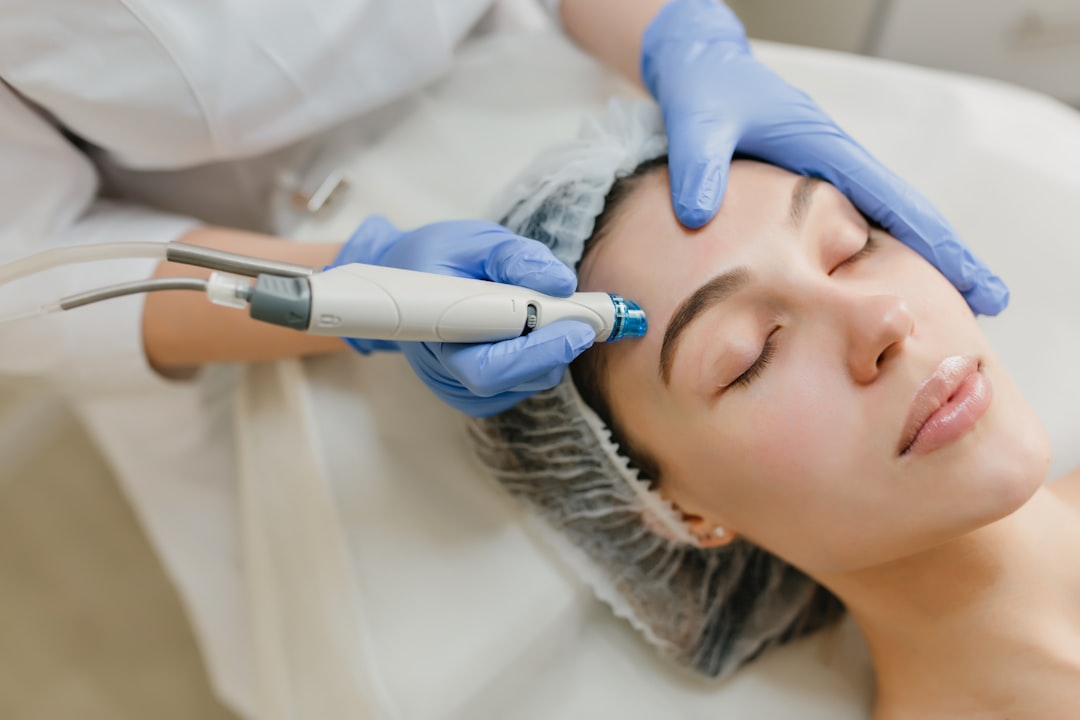
Photo by Look Studio on Unsplash
What Is HIFU and How Does It Work?
High-Intensity Focused Ultrasound, or HIFU, uses focused sound wave energy to reach the deeper layers of skin and the SMAS layer, the same layer surgeons tighten during a facelift. The energy heats these deeper tissues in tiny points, which triggers the skin to produce fresh collagen over the following weeks. Nothing is injected and no cuts are made, which is why it has become popular among people who want a subtle lift without going under the knife.
HIFU is best known for lifting sagging skin around the jawline, cheeks, brows, and neck. Results build up gradually over 2 to 3 months as new collagen forms, and one session can last up to a year for many people. There is little to no downtime, though mild redness or swelling for a day or two is common, and most people go back to their normal routine the same day.
It works well for early to moderate sagging, but it is not a replacement for a surgical facelift if skin laxity is significant. Your dermatologist will be able to tell you honestly whether HIFU alone will give you the result you are hoping for.
What Is RF Microneedling and How Does It Work?
Radiofrequency microneedling combines tiny needles with radiofrequency energy. The needles create controlled micro-injuries in the skin, while the RF energy delivered through them heats the tissue underneath. This dual action encourages collagen and elastin production while also improving skin texture from within.
This treatment is particularly effective for acne scars, enlarged pores, fine lines, and overall skin tightening and texture improvement. Many people see visible improvement in texture and tone within a few weeks, with continued results over subsequent months as collagen keeps rebuilding. Downtime is usually 2 to 4 days of redness and mild sensitivity, similar to a mild sunburn, and makeup can usually be resumed after a day or two.
RF microneedling tends to work better for textural concerns like scarring and pores, while HIFU is better suited to sagging and contour concerns. Some dermatologists even combine the two for people who have both textural and sagging concerns, spacing the sessions a few weeks apart.
HIFU vs RF Microneedling: Key Differences
The biggest difference lies in what each treatment targets. HIFU focuses on lifting and tightening by working deep in the SMAS layer, making it ideal for a sagging jawline, drooping brows, or a loose neck. RF microneedling works more superficially but combines skin renewal with mild tightening, making it a strong choice for scars, pores, and overall skin quality.
Cost-wise, both treatments are priced per session and depend on the area treated and the number of sessions recommended, which your dermatologist will outline after an in-person assessment. HIFU sessions are often spaced months apart since results last longer, while RF microneedling is typically done as a short course of 3 to 4 sessions, a few weeks apart, for best results.
Neither treatment gives overnight results, and both work with your own body’s collagen-building process, so patience and realistic expectations matter more than chasing a quick fix.
Common Mistakes to Avoid
Many people assume more sessions always mean better results, but overdoing either treatment can irritate the skin without adding any real benefit. Always get a proper consultation before deciding on the number of sessions you actually need.
Avoid comparing your results to filtered social media photos. Real results are gradual and vary from person to person depending on age, skin type, and the extent of sagging or scarring.
Skipping sun protection after these treatments can undo your results faster, since freshly treated skin is more sensitive to UV damage in the weeks that follow.
When to See a Dermatologist
- If you are unsure whether HIFU or RF microneedling suits your specific concern, especially with active acne, skin infections, or thin skin
- If you notice unusual redness, swelling, or breakouts that last more than a few days after a session
- If you have had these treatments elsewhere and are not seeing any change after multiple sessions
Both HIFU and RF microneedling can help you achieve firmer, smoother skin, but the right choice depends on your specific skin concern, age, and goals. A qualified dermatologist can assess your skin in person and recommend the treatment, or combination, that works best for you. Book a consultation today!
This article is for informational purposes only and does not constitute medical advice. Please consult a qualified dermatologist for diagnosis and treatment.