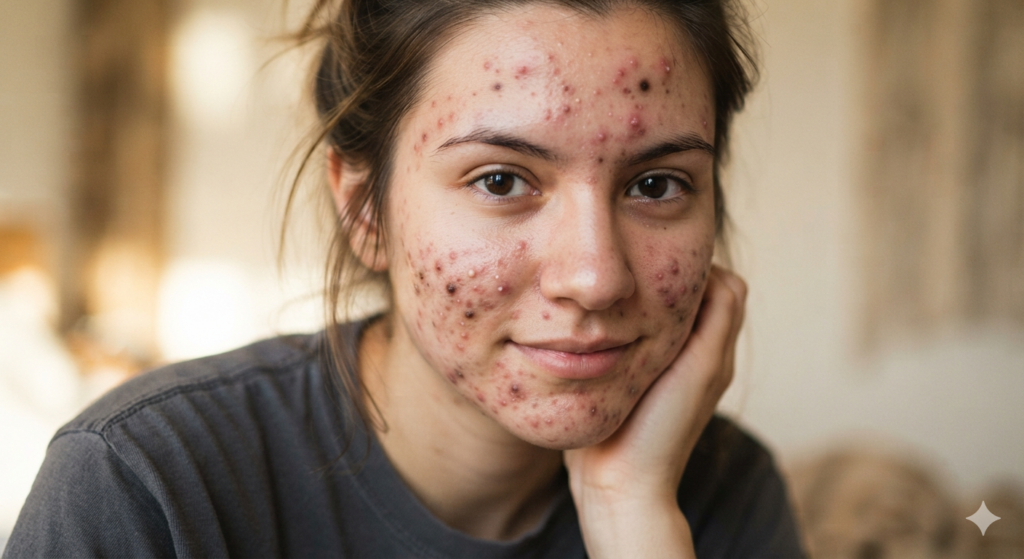
If you’ve ever cancelled a plan because of a sudden breakout, you’re far from alone — acne affects people of every age, from teenagers to those well into their thirties. Between Pune’s humidity, oily skin, and endless advice from well-meaning aunties, it’s easy to feel confused about what actually helps. Let’s clear up the confusion with some simple, practical guidance.
What Really Causes Acne
Acne happens when hair follicles get clogged with oil, dead skin cells, and bacteria. Hormonal changes are one of the biggest triggers, which is why breakouts often appear during the teenage years, before periods, during pregnancy, or with conditions like PCOS. Stress and lack of sleep can make things worse by increasing oil production.
Diet plays a smaller role than most people assume, but for some individuals, excess sugar and dairy can trigger flare-ups. Pollution, sweat, and not washing your face after a long day outside are also common culprits, especially in a city like Pune where dust and humidity add up quickly.
It’s worth remembering that acne is not caused by being “unclean.” Over-washing or scrubbing harshly can actually damage your skin barrier and make breakouts worse, not better.
Busting Common Acne Myths
There’s no shortage of myths floating around about pimples, and many of them do more harm than good. Toothpaste, for instance, is not a spot treatment — it can burn and irritate the skin. Popping pimples might feel satisfying, but it usually pushes bacteria deeper and increases the risk of scarring and dark marks.
Another common belief is that only oily food causes acne. While greasy snacks aren’t great for overall health, there’s limited evidence linking them directly to breakouts for most people. Similarly, “natural” home remedies like lemon juice or raw garlic applied to the face can cause chemical burns rather than clearing skin.
Sun exposure is sometimes said to dry out pimples and help them heal faster. In reality, unprotected sun exposure can worsen post-acne pigmentation, which is often more stubborn to treat than the acne itself.
Dos and Don’ts for Managing Breakouts
A few consistent habits go a long way in keeping acne under control. Wash your face twice a day with a gentle, non-drying cleanser, and always remove makeup before sleeping. Choose skincare and sunscreen labelled “non-comedogenic” or “oil-free” so they don’t clog pores further.
Change your pillowcase regularly, avoid touching your face throughout the day, and resist the urge to pick or squeeze pimples, no matter how tempting. If you use hair oil or styling products, keep them away from your hairline and forehead, as they can trigger breakouts along the jaw and cheeks.
Avoid switching products too frequently. Skin needs at least four to six weeks to show real improvement, and constantly changing your routine can irritate it further and make it harder to know what’s actually working.
Treatment Options Worth Knowing About
Mild acne often responds well to over-the-counter ingredients like salicylic acid, benzoyl peroxide, or niacinamide, used consistently over several weeks. These help unclog pores and reduce inflammation without being too harsh on the skin.
For moderate to severe acne, or acne that keeps coming back despite a good routine, prescription treatments and in-clinic procedures such as chemical peels or laser therapy may be recommended. These are typically most effective when guided by a dermatologist who can tailor them to your skin type and acne pattern.
When to See a Dermatologist
- Your acne is painful, deep, or leaving scars and dark spots behind
- Over-the-counter products haven’t helped after 8 to 10 weeks of consistent use
- Breakouts are affecting your confidence or come with other symptoms like irregular periods or excess hair growth
Ready for Clearer Skin?
Acne is common, treatable, and nothing to feel embarrassed about — but the right guidance makes all the difference between frustration and real results. Our dermatologists can help you understand your skin and build a routine that actually works for you. Book a consultation today!
This article is for informational purposes only and does not constitute medical advice. Please consult a qualified dermatologist for diagnosis and treatment.