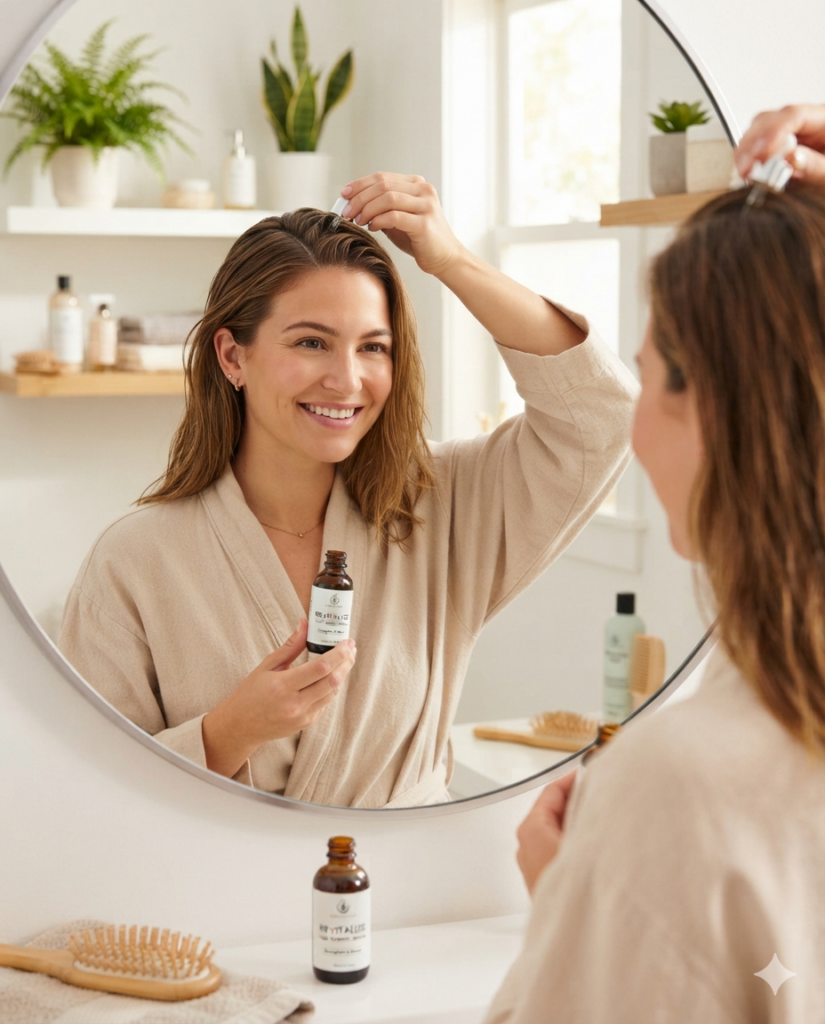
Noticing more hair strands on your pillow, comb, or bathroom floor lately? You’re not alone — hair fall is one of the most common concerns that brings people to our clinic. With so many oils, serums, and “miracle cures” being advertised everywhere, it’s hard to know what to trust. Here’s an honest look at today’s hair loss treatments — what works, what doesn’t, and what to expect.
PRP Therapy: Using Your Body’s Own Healing Power
PRP (platelet-rich plasma) therapy has become one of the most talked-about hair treatments in India, and for good reason. A small sample of your blood is drawn, spun in a machine to concentrate the platelets, and then injected into the scalp. These platelets release natural growth factors that can help weak hair follicles become more active.
PRP tends to work best for early to moderate hair thinning, especially pattern hair loss in both men and women. It is not a one-time fix — most people need 3 to 6 sessions spaced about a month apart, followed by occasional maintenance sessions. Results build gradually over several months.
Because PRP uses your own blood, it is generally well tolerated when done by a qualified dermatologist. One important thing to know: PRP cannot revive follicles that are completely gone, so it is not suitable for fully bald patches that have been smooth for years.
Minoxidil: The Most Trusted Starting Point
Minoxidil is the most widely used and studied topical treatment for hair regrowth. Applied to the scalp daily as a solution or foam, it improves blood supply around the follicles and extends the hair’s natural growth phase, so hair stays thicker for longer.
Patience is the key. Visible improvement usually takes 3 to 6 months of regular use. Many people also notice slightly increased shedding in the first few weeks — this is temporary and actually a sign that old, weak hairs are making way for new growth. Don’t panic and stop.
What to avoid: don’t self-prescribe a high strength just because a friend uses it, and don’t buy random online formulations mixed with unknown ingredients. Some people experience scalp irritation or dryness, so the right strength and routine should be decided with your dermatologist.
Scalp Care: The Foundation Everyone Ignores
No treatment works well on an unhealthy scalp. In the Indian climate, sweat, humidity, and pollution build up quickly — so wash your hair regularly with a mild shampoo. Letting oil sit on the scalp for days does not “feed” the roots; it can actually worsen dandruff and fungal problems.
A light oil massage an hour before washing is perfectly fine, but remember: oil is a conditioner, not a treatment for hair loss. Also go easy on very hot water, tight hairstyles, and back-to-back chemical treatments like smoothening and colouring.
What you eat matters too. Low protein intake, iron deficiency, and vitamin D deficiency are extremely common causes of hair fall. A balanced diet, good sleep, and managing stress support every other treatment you take.
What Doesn’t Work (Save Your Money)
No shampoo can regrow hair — shampoos clean the scalp, and that’s all. Popular home remedies like onion juice and rice water have very little scientific backing; they’re mostly harmless, but relying on them often delays treatment that actually works, and lost time means lost hair.
Be cautious of clinics or products promising “guaranteed regrowth in weeks.” Genuine hair treatments take months, and the right option depends entirely on the cause of your hair loss — which is exactly why a proper diagnosis comes first.
When to See a Dermatologist
- Sudden, patchy hair loss or smooth bald patches appearing on the scalp
- Hair fall continuing beyond 3 months, or your scalp becoming visibly more noticeable
- Itching, flaking, redness, or pain along with hair fall
The Right Treatment Starts with the Right Diagnosis
Hair loss is treatable in most cases — but the earlier you act, the more hair you save. Whether it’s PRP, minoxidil, or simply fixing a nutritional gap, the best plan is the one made for your scalp and your cause of hair fall. Book a consultation today!
Disclaimer: This article is for informational purposes only and does not constitute medical advice. Please consult a qualified dermatologist for diagnosis and treatment.