
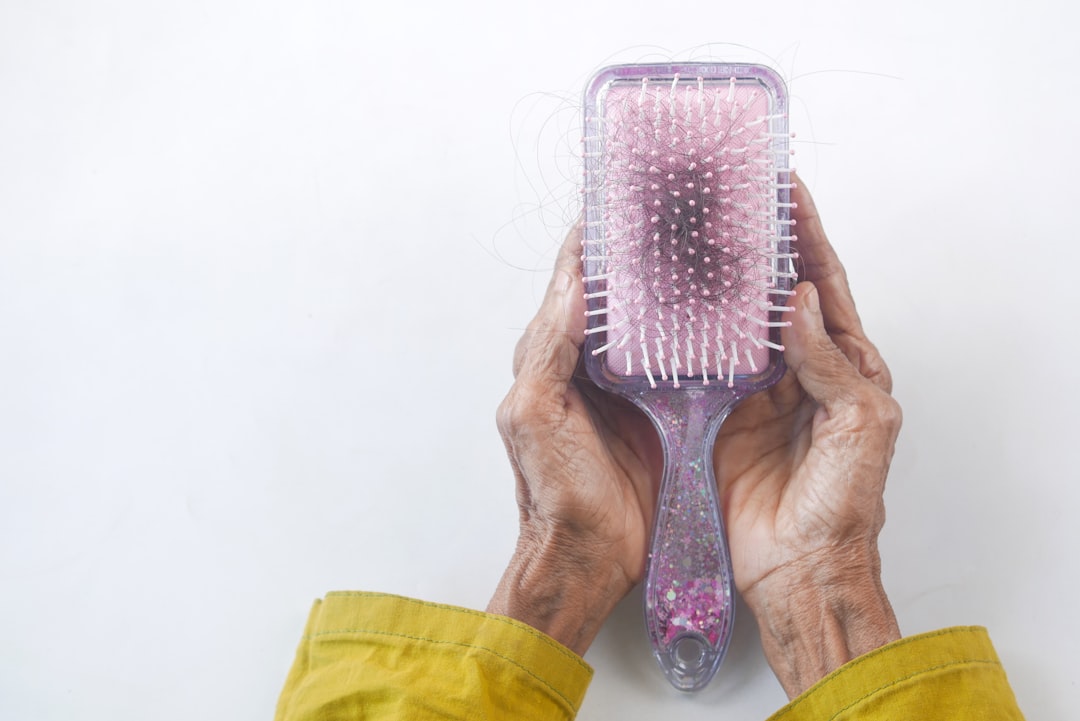
Finding more hair on your pillow, comb, or bathroom floor than usual? You’re not alone — hair loss is one of the most common concerns bringing people to dermatology clinics across India. The good news: most causes of hair fall can be identified and managed, especially when you act early.
Understanding the Difference: Hair Fall vs. Hair Loss
Losing 50 to 100 strands a day is completely normal. Hair grows in cycles, and shedding is part of that natural rhythm. What matters is whether the hair growing back keeps pace with what you’re losing.
Hair loss becomes a concern when shedding increases suddenly, when you notice visible thinning at the crown or a widening parting, or when your hairline gradually recedes. Many people panic at seasonal shedding, which often peaks after summer and settles on its own in a few weeks.
A simple self-check: if hair fall has continued for more than two to three months, or you can see more scalp than before, it’s worth paying attention. Take photos of your parting or crown once a month — it’s an easy way to track changes objectively rather than relying on memory.
Common Types and Causes of Hair Loss
Telogen effluvium is temporary, diffuse shedding triggered by stress on the body — a fever (including viral infections), surgery, crash dieting, childbirth, or emotional stress. It usually shows up two to three months after the trigger and recovers on its own once the cause is addressed.
Androgenetic alopecia (pattern hair loss) is the most common long-term type. In men, it shows as a receding hairline or thinning crown; in women, as a gradually widening parting. It runs in families and is driven by hormones, but early treatment can slow it significantly.
Nutritional deficiencies are a very common contributor in India — low iron, vitamin D, and vitamin B12 levels are frequently found in people with persistent hair fall. Thyroid problems and conditions like PCOS in women can also play a role, which is why a dermatologist may suggest a few blood tests.
Alopecia areata causes sudden, smooth, coin-shaped bald patches. It’s an autoimmune condition, not an infection, and needs a doctor’s evaluation — home remedies won’t help here.
Everyday Habits: What Helps and What Hurts
Be gentle with wet hair — it’s at its weakest. Pat dry with a soft towel instead of rubbing vigorously, and use a wide-toothed comb. Avoid very tight hairstyles like high ponytails and tight braids worn daily, as constant pulling can cause traction hair loss along the hairline.
Go easy on heat styling, frequent chemical straightening, and harsh colouring. Oiling the scalp is fine as a pre-wash conditioning ritual if you enjoy it, but remember: oil does not “grow” hair, and vigorous oil massages can actually increase breakage.
Eat for your hair. Adequate protein (dal, eggs, paneer, fish), iron-rich foods, and enough calories matter more than any expensive shampoo. Crash diets are one of the most common hidden triggers of sudden hair fall we see in clinics.
Be cautious with miracle cures. Onion juice, rice water, and “hair growth” serums sold online rarely have solid evidence behind them. If a product promises dramatic regrowth in weeks, be skeptical — and never start any prescription hair loss medication on your own. Always consult a qualified dermatologist first, so the right treatment can be chosen safely for your specific condition.
When to See a Dermatologist
- Hair fall lasting more than 3 months, visible thinning, a widening parting, or a receding hairline
- Sudden bald patches, scalp itching, flaking, pain, or redness along with hair loss
- Hair loss with other symptoms like fatigue, irregular periods, or unexpected weight changes
Conclusion
Hair loss is common, but it isn’t something you simply have to live with — most types respond well when diagnosed early and treated correctly. Instead of trying one home remedy after another, get a proper evaluation and a plan that’s right for your type of hair loss. Book a consultation today!
This article is for informational purposes only and does not constitute medical advice. Please consult a qualified dermatologist for diagnosis and treatment.
For personalised care and diagnosis, explore our hair fall treatment in Pune at Derma Solutions, Kothrud, or book an appointment with Dr. Amey Kelkar. You can also learn more about skin and hair health from the American Academy of Dermatology.